Burntwood did not begin as one compact town. It grew from older settlements including Burntwood, Woodhouses and Edial, while Chasetown and Chase Terrace expanded rapidly during the nineteenth-century coal boom. The result is a place whose rural, industrial and community histories still sit side by side.
Medieval beginnings
From Brendewood to Burntwood
The name appears in medieval records as Brendewood, linked to the burning of heath within Cannock Forest. By the late thirteenth century the name was already being used for common pasture held by the Bishop of Coventry and Lichfield. Nearby Pipe, Edial and Woodhouses had their own early identities, shaped by woodland clearings, grazing, farming and the old routes towards Lichfield and Cannock Chase.
Agriculture remained the dominant way of life for centuries. Burntwood’s lanes, field boundaries and scattered older buildings belong to that quieter landscape, long before shafts, sidings and rows of miners’ houses altered the district.
Land and local names
Pagets, Worthingtons and Edial Hall
After the Reformation, extensive local land passed to Sir William Paget. The Paget family, later Marquesses of Anglesey, remained major landowners and played a decisive part in the development of the coalfield. At Maple Hayes, the Worthington family became prominent landowners from the late nineteenth century.
Edial Hall carries a different kind of history. Samuel Johnson briefly opened a school there in 1736, with the young David Garrick among his pupils. The venture was short-lived, but it gave this rural corner of Burntwood a lasting place in English literary history.
The coalfield
Mining changed everything
Large-scale coal mining began to transform the area in the 1840s. The Marquess Pit was sunk in 1849 and the Uxbridge Pit followed in 1852. John Robinson McClean and Richard Chawner later took on the colliery lease, while canals and railways helped coal move out of the district.
Chasetown first developed as a settlement known simply as Cannock Chase and had adopted its familiar name by 1867. Mining spread north towards Chase Terrace during the 1860s. Homes, schools, shops, churches and chapels followed the workforce, turning open heath and scattered lanes into busy industrial communities.
Faith, learning and welfare
Building a community around the pits
Christ Church was consecrated in 1820, before the main mining expansion. St Anne’s at Chasetown followed in 1865 to serve the growing colliery community. Methodist, Congregational and Roman Catholic congregations also became important parts of local life, providing worship, education and mutual support.
The Cannock Chase Colliery Company provided schooling for employees’ children, and technical education later became part of the town’s identity. The Old Mining College, built in 1912, trained mine workers in health and safety. It survives as a community centre, keeping a direct link between Burntwood’s industrial past and its present-day civic life.
Water, rail and leisure
Chasewater and the colliery line
Norton Pool, now known as Chasewater, was created to support the canal network and the industries it served. By the end of the nineteenth century it was also attracting visitors for steamer trips and recreation. The surviving heritage railway now preserves locomotives, rolling stock and the atmosphere of the Cannock Chase coalfield.
That mixture of industry and open landscape remains one of Burntwood’s defining features: railway heritage, reservoir paths, old colliery ground and countryside all within a relatively small area.
A tiny landmark
Prince’s Park
Prince’s Park was created in 1863 to commemorate the marriage of Albert Edward, Prince of Wales, and Princess Alexandra of Denmark. It is exceptionally small, but it is a genuine public park with an entrance, railings, a bench, planting and three mature trees. Its modest scale and long civic history have made it one of Burntwood’s best-known curiosities.
The modern town
After the last pit closed
The last local mine closed in 1959. Burntwood then entered another period of rapid change, with its population almost doubling between 1961 and 1971 as new housing welcomed families from Birmingham and the Black Country. Sankey’s Corner developed as the commercial centre, followed by the shopping centre and market in 1970 and the library in 1987.
Modern Burntwood is usually described through four main communities: Burntwood, Boney Hay, Chase Terrace and Chasetown. Each has its own character, but the town’s shared story still rests on the same foundations—land, coal, faith, work and strong local institutions.
See the story for yourself
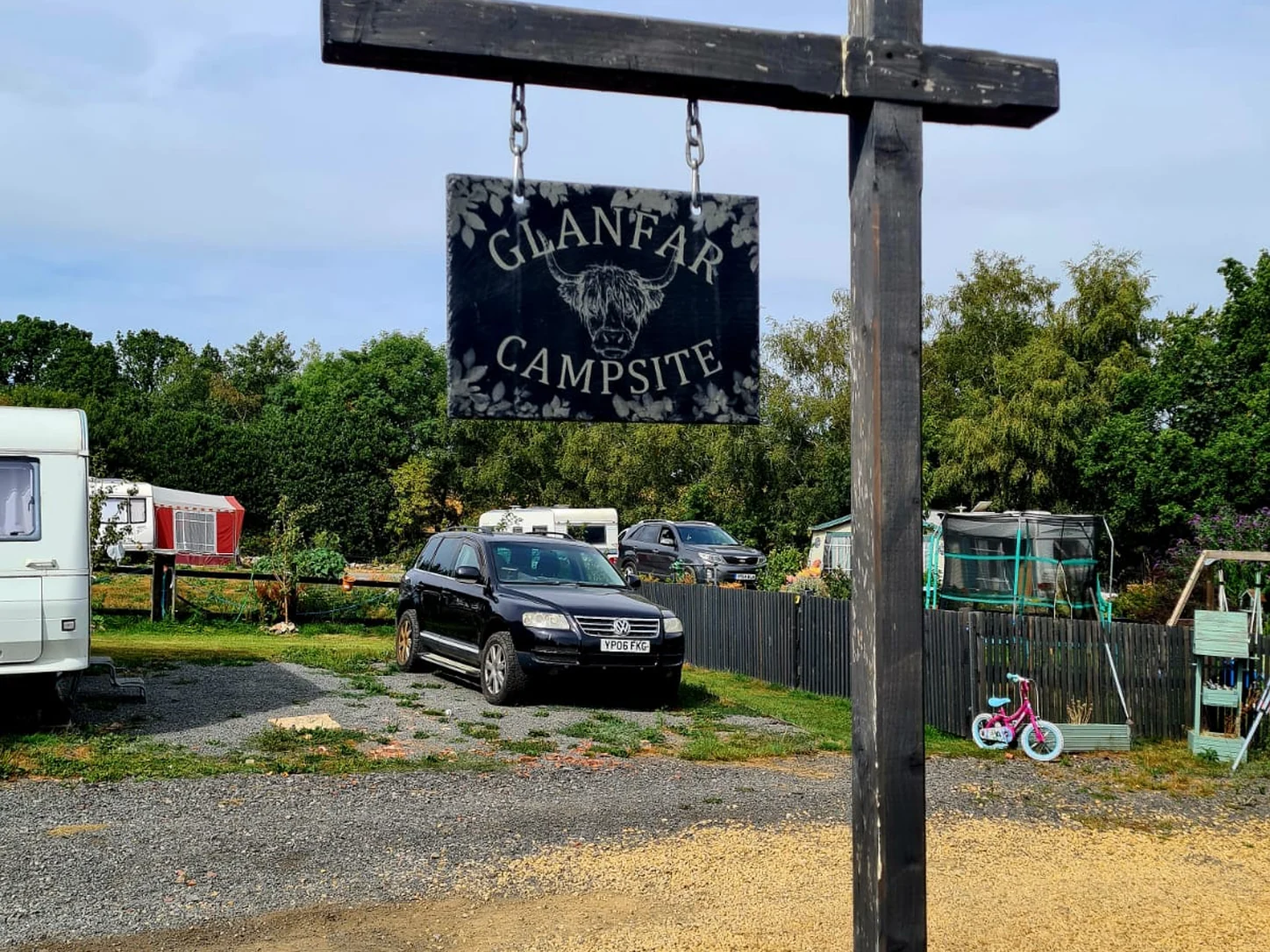
Explore Burntwood from Glanfar
Prince’s Park, Christ Church, Chasetown, Chasewater and the heritage railway can all form part of a local day out. The walking and attractions pages bring the closest places together with practical journey guidance.
Explore the local area View local walks Explore nearby attractions